Lela Stratton

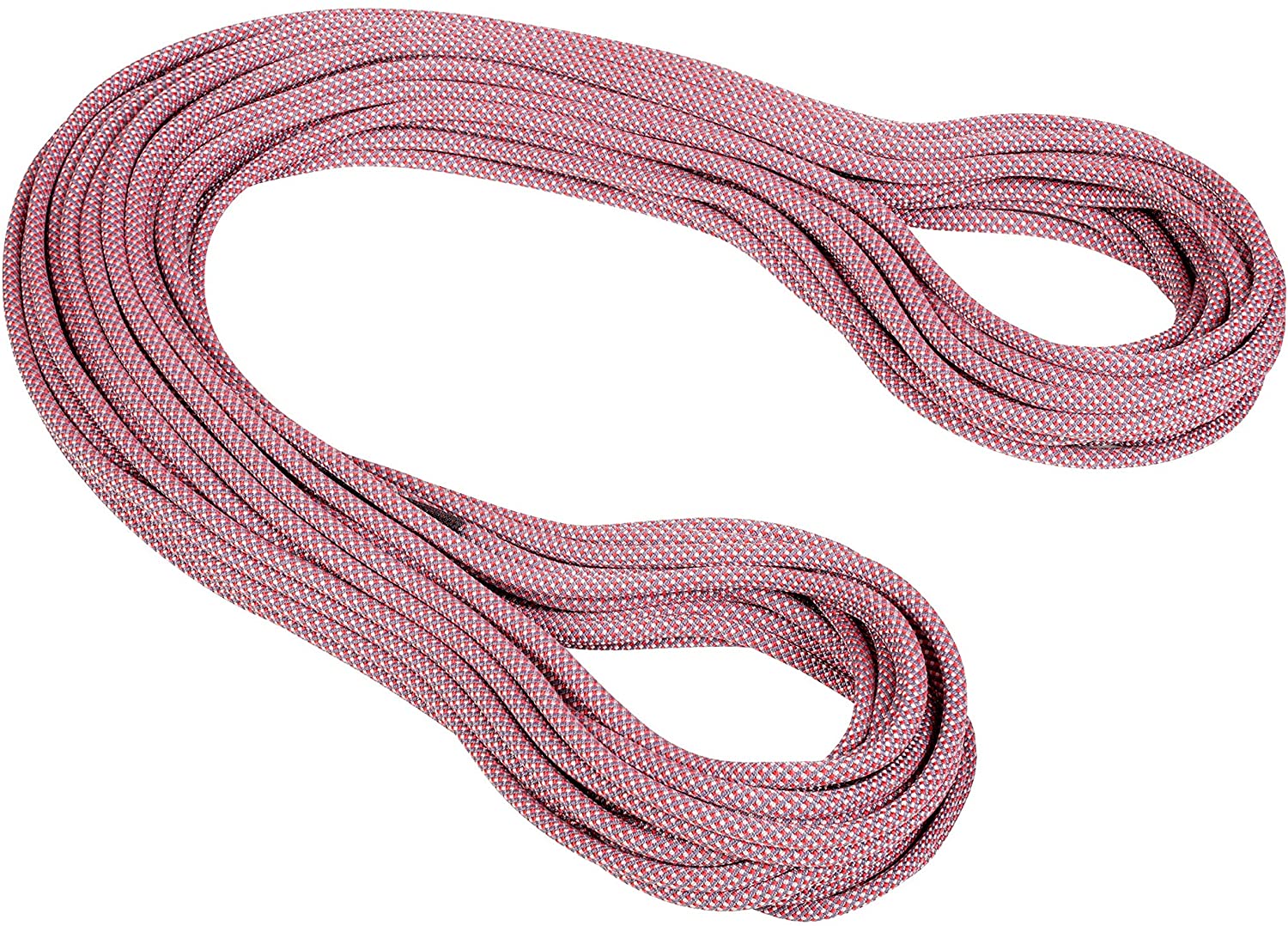
Mammut Infinity Classic Climbing Rope


Sterling Evolution Velocity Standard Rope

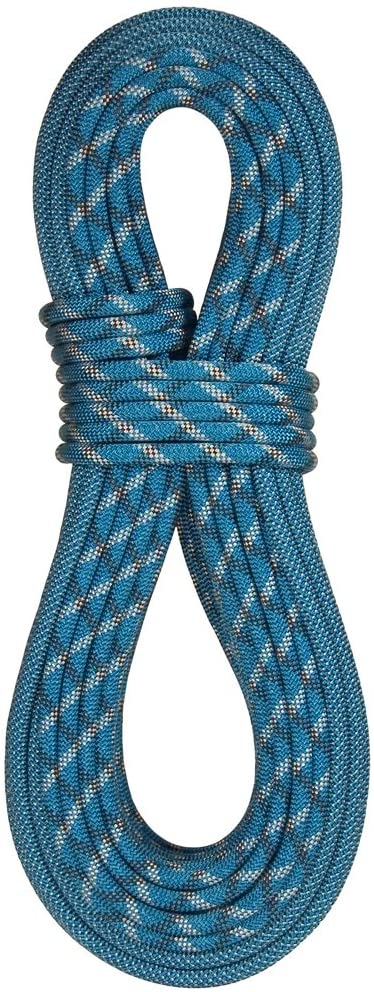
Blue Water 10.2mm Eliminator Single Rope
Show Content
There has been an increasing amount of choices for an item of climbing equipment presently. In reality, too many options are a time-consuming method of studying and selecting that best climbing rope of equipment to purchase. Rope climbing is no different. Placed, understanding that ropes are worthy of your time, and what is not, can be challenging. For this purpose, a selection of the best climbing ropes available on the market has been assembled here to help you choose the correct rope for your requirements. Both these solutions are separate, intricate climbing ropes, and we have already provided each one a descriptive to let you decide what form of hiking or climbing they're suitable for.
If you want to purchase a climbing rope, be it the fifth or fifteenth, it's essential to consider if you're going to be using the cable, what innovations are accessible, and what businesses are there for you. Below are the best climbing knots of 2020, and to see our comprehensive compatibility list and purchasing best climbing rope underneath the choices for more context details.
Best Climbing Rope List
1
Mammut Infinity Classic Climbing Rope - 9.5mm
Assume that with all the climbing, you should only use one braided rope. How will that be? It will probably be small but reliable, smooth, and simple to hold but quick to click too. I just defined the Mammut Infinity, as you might guess. Mammut has fused several of the most wanted climbing wire functionality with the Eternity onto one chain. At a diameter of 9.5 mm, the Infinity is at the thinner side of the scale, usually referred to by climbing specialists as' all-around' individual ropes. The Infinity stays true to this mark. This can be used for the climbing center, trade, competition, alpine, and multi-pitch. However, it is a decent climbing wire for lengthy routes, because its diameter (58 grams/meter) is so light.
That lets the Infinity deal with loads of tear, violence, and abrasion. It will match any belay tool you need, and make an excellent, gentle capture possible. Eventually, with several various styles of climbing, it will be flexible, and it would function effectively. Despite its circumference, the Infinity is also extremely robust. Yes, her sheath covers 40% of the total weight and has a Teflon covering that lets the Infinity withstand loads of tear, violence, and abrasion. The string also searches for simplicity usage on each of the frames. This easily belays device and slips into a GriGri. It wants to crack in a little so that it doesn't kink often. The natural alternative arrives with a center label, and there are also bi-pattern ties.
Pros
Cons
2
Sterling Evolution Velocity Standard Rope - 9.8mm
The Infinity, though the best climbing cable currently available in our judgment, is more expensive than equivalent ropes. Alternatively, you may be hunting for the cash for the right climbing rope— the hiking wire that gives your buck it's most bang possible. We've provided our choice of the best price climbing rope, the Sterling Evolution Velocity, for you. Slap a significant price on a circular climbing rope, and the consequence is the Evolution Speed. The wire comes in different sizes (35 m, 50 m, 60 m, 70 m, and 80 m) and is required for additional pattern coloring and other care choices.
It is excellent for travel, trade, ice, and varied climbs and very well equipped for entrance-level climbers and experienced climbers in need of a fully-rounded rope. The Speed of evolution has all of the characteristics of a right side-quality cord. It has the perfect amount of rigidity, and it isn't going to flop out while cutting. Compared to other similar cables, it is sturdy, reasonably lightweight (62 grams/meter), and a reasonable price. Ultimately, it manages effortlessly and is doing a decent job of being able to tolerate vibration and discoloration. This 9.8 mm cord is allegedly Chris Sharma's string of selection. It is also in the variety of diameters for individual climbing ropes "all-around" that indicates the Evolution Velocity is flexible, just like the Mammut Eternity.
Pros
Cons
3
Blue Water 10.2mm Eliminator Single Rope
Quest for a pole to ascend first? With both the two choices described above, you can't go wrong, and if you want a cord which is super durable and reliable than the BlueWater Eliminator is a perfect pick. However, the Eliminator is not just about longevity and sturdiness. Because of its width (64 grams/meter), the cord is still lightweight, which makes it simple to hold compared to other thick ropes. The rope is therefore reasonably priced since other shorter lines come in at the same price points. In turn, for the same amount, this is like you have additional rope power.
Pros
Cons
4
Blue Water Icon Double Dry Climbing Rope - 9.1mm
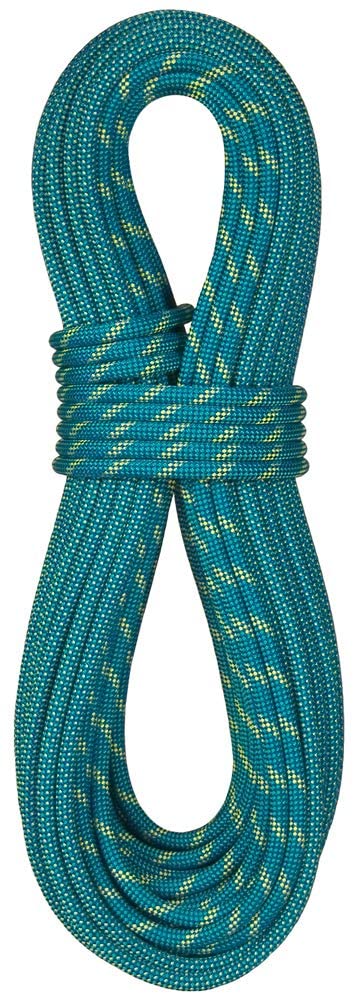
Most climbing vacations allow which you carry or climb equipment which is as low as possible. Are you going to be dealing with a big rack? Broad, multi pitch climbing paths? Met with lengthy strategies, you need to save your resources throughout? Carry out climbing at the capacity or need the lowest possible rope? The symbol has a diameter of 9.1 mm and is just 55 grams/meter. The rope will still have an excellent rigidity to it, given its slimness that makes it hold and belay smoothly. And the symbol is "the strongest lead system in the world now" and "the ideal combination between weight and toughness" according to experienced climber Cedar Wright (who tested the rope on Backcountry.com — at the bottom of the article) In all of these cases, small, lightweight climbing ties are necessary, and more. However, the BlueWater Symbol holds out as the strongest out of all the superlight ropes on the marketplace.
Pros
Cons
5
Sterling 10.1mm Marathon Pro Dynamic Climbing Rope
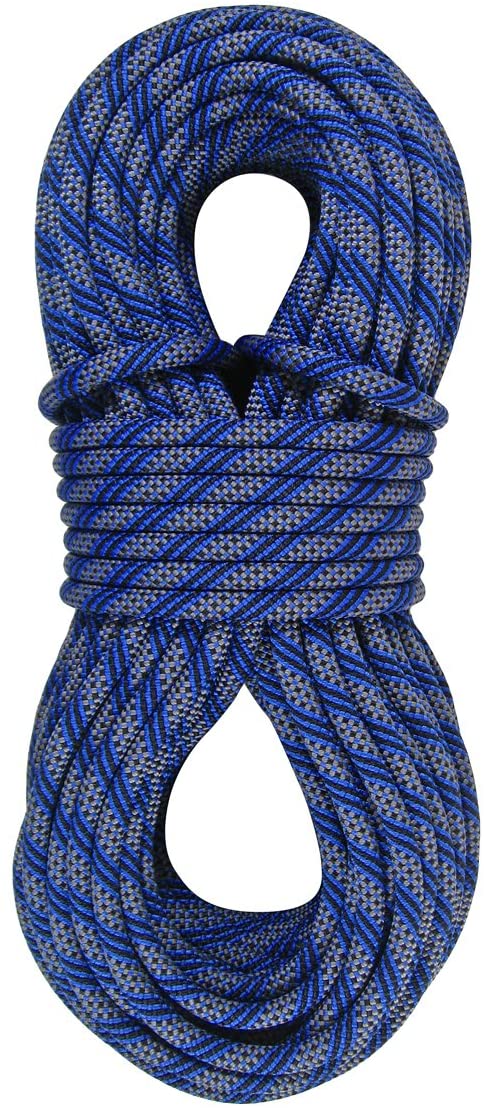
A climbing rope workhorse is something that is extremely strong and can withstand several abrasion and violence. They may be thicker, but sometimes they can hold up to a ton. We have selected the aptly called Sterling Marathon Pro for the best solution throughout this section. The Marathon Pro is huge, at 10.1 mm. Because of its size, though, it is relatively supple and snaps well, captures well, and can be convenient when using a GriGri or GriGri+. The rope's width allows it thicker, and it's not the best for long routes or conditions because you need a lightweight rope to reduce your climbing pack's strength (see the BlueWater icon if you want that). Even given its exterior toughness, the rope has a mid-of - the-pack UIAA fall ranking of 6 and if you're looking at the BlueWater Eliminator afterward with a high fall rate. Like for all the ropes on this series, there are many sizes and additional choices available for the Marathon Pro. The sheath on the Marathon Pro is exceptionally robust, and can handle loads of gear or hard rock frictions.
Pros
Cons
Things to Consider Before Purchasing the Best Climbing Rope
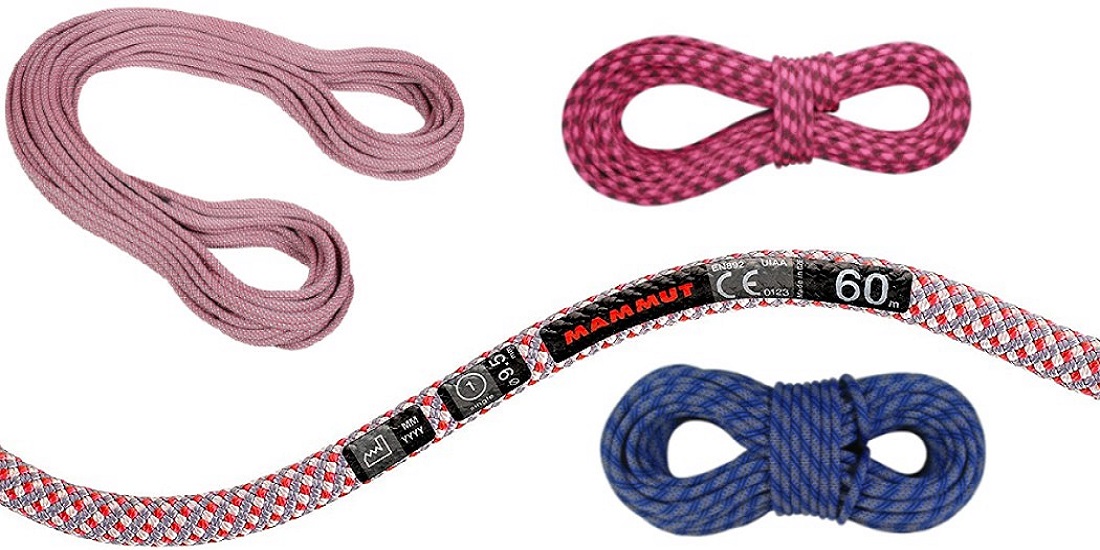
Above everything, you need to pick a versatile climbing rope. Dynamic ropes are developed and tested to stretch throughout a fall, which absorption the pressure from the body of the mountaineer. For top-rope or lead climbing, a rigid rope can never be used because it does not extend, and it can be extremely hazardous to step on. Twin and half ties could be helpful in some typical circumstances in skiing, ice climbing, and mountain climbing, as described in this REI article on picking a rope. Most of the direction ropes are individual ropes. Because a climbing rope is an expenditure, you would like it to be reliable, that even the most robust cables need proper maintenance to keep their life going. REI gives some excellent tips on how to dust, store, and examine your chain. Climbing cables range in central, half, and twin styles, and you'll want the main rope for certain forms of climbing, meaning you can use through this without a second rope.
Diameter
Knots arrive in various widths, for individual ropes in the distance from about 9-10 mm. Many ropes for outdoor sport and trade climbing will be in the region of 9.5-9.9 mm and provides an excellent compromise among toughness and weight. Thin ropes below 9.4 mm are not known to avoid too many slips and are less reliable though they can be great for multi-pitch scaling. For workout climbing, clothes 10 mm and above are beautiful but usually thicker than you would like to take to the crag.
Testing-diameter ropes function for your belay tool is essential, as each is intended to work with a certain number of diameters.
Length
Climbing ropes arrive in varying lengths, so it's essential to get a cable which is big sufficient for what you're going to climb. If you climb in the woods, you're going to have a smaller rope, typically 30 m or 35 m down. Test with your workout if they have the correct length of the rope. For outdoors climbing, the new norm is 60 m or 70 m. A 70 m string is thicker than a 60 m, but there are a number of routes in some places that need a 70 m string. You may link to Mountain Project or a travel guide seeing what you normally have to climb up there.
Mass
Generally speaking, the heavier the rope, the stronger it is, while rope structure will play a significant role. You would like a more uncomplicated rope, particularly in areas with lengthy routes and on multi-pitch climbers.
Uiaa Health Requirements
We rely on climbing ropes for our existence. Therefore health on the rope is no small issue. Fortunately, the UIAA (Union Internationale des Associations d'Alpinisme), the international federation of climbing and mountaineering, has established quality requirements that must be followed for all climbing ropes. The REI post seems to do a decent job of describing what such criteria are and their purpose. As you are acquainted with the requirements, it's simpler to make an educated decision on which rope provides the desired degree of protection.
Handling
This term explains our overall experience in using each climbing rope, or "how it manages" We tested each design by holding, coiling, scaling, cutting, and belaying with it on its versatility and ultimate feel. That has been our most important criterion for treating. It is the first aspect many adventurers will begin to think about when you ask them how they like their cord and how sturdy a rope is. Managing as a criterion is indeed a subjective judgment, so before awarding our scores, we interviewed about ten various adventurers to have an overall opinion. We also contrasted each other's emotions as brand fresh vs. break in to see how they've changed over time.
Durability
If you dump a lump of cash on a costly piece of machinery, you expect it to last for a little while. A climbing rope is by far the most commonly withdrawn item of climbing gear, and for a clear reason— it is the lifeline and the most important to carry. We measured the reliability in several different ways. This is how we scored the reliability of the different ones. Next, we analyzed the metrics, such as the diameter (denser ropes appear to last longer) and the sheath rate. Because sheaths form each rope's outer shell, these are typically how to wear off, so cables with a higher proportion of fibers in the sheath have a greater risk of having more violence.
Catch
Scoring a rope grab is an entirely subjective matter. We have taken a lot of downs on either line, with years of training to rely on while deciding how well a grab feels soft or rough. In several cases in this study, saying the distinction between both the multiple versions was difficult. There are many other considerations associated in what makes up a hard or weak catch outside the rope, as we will address below, and it's not always possible to attribute a specific catch purely to the rope results. That being said, there are still some significant variations in the manner various ropes capture slips, which is enough to justify a test measure.
Dry Procedure
Certain ropes are formulated with a water bug spray that avoids water from being consumed by the rope and can render it thicker and weaker. This procedure will keep the rope longer-lasting, too. It typically does cause the rope quite costly, though. When you're climbing ice, mountaineering, and doing loads of multi-pitch trading where you may experience wet conditions, dry treatment is critical. Still, typically it's not required when you're just climbing sport.
Conclusion
Choosing the best climbing rope you will be purchasing is an important choice. Trying them out in the first is hard too! Since before the manner in which a rope handles can affect your preference above all else, testing out the strings of your buddies at the crag or workout may serve to make you aware of what sort you like better. Ideally, we've helped you connect the dots on most of your buying requirements, and you can make informed decisions that will better fit your climbing approach and keep you healthy! Check out our top pick, "Mammut Infinity Classic Climbing Rope - 9.5mm" (CHECK BEST PRICE HERE)